

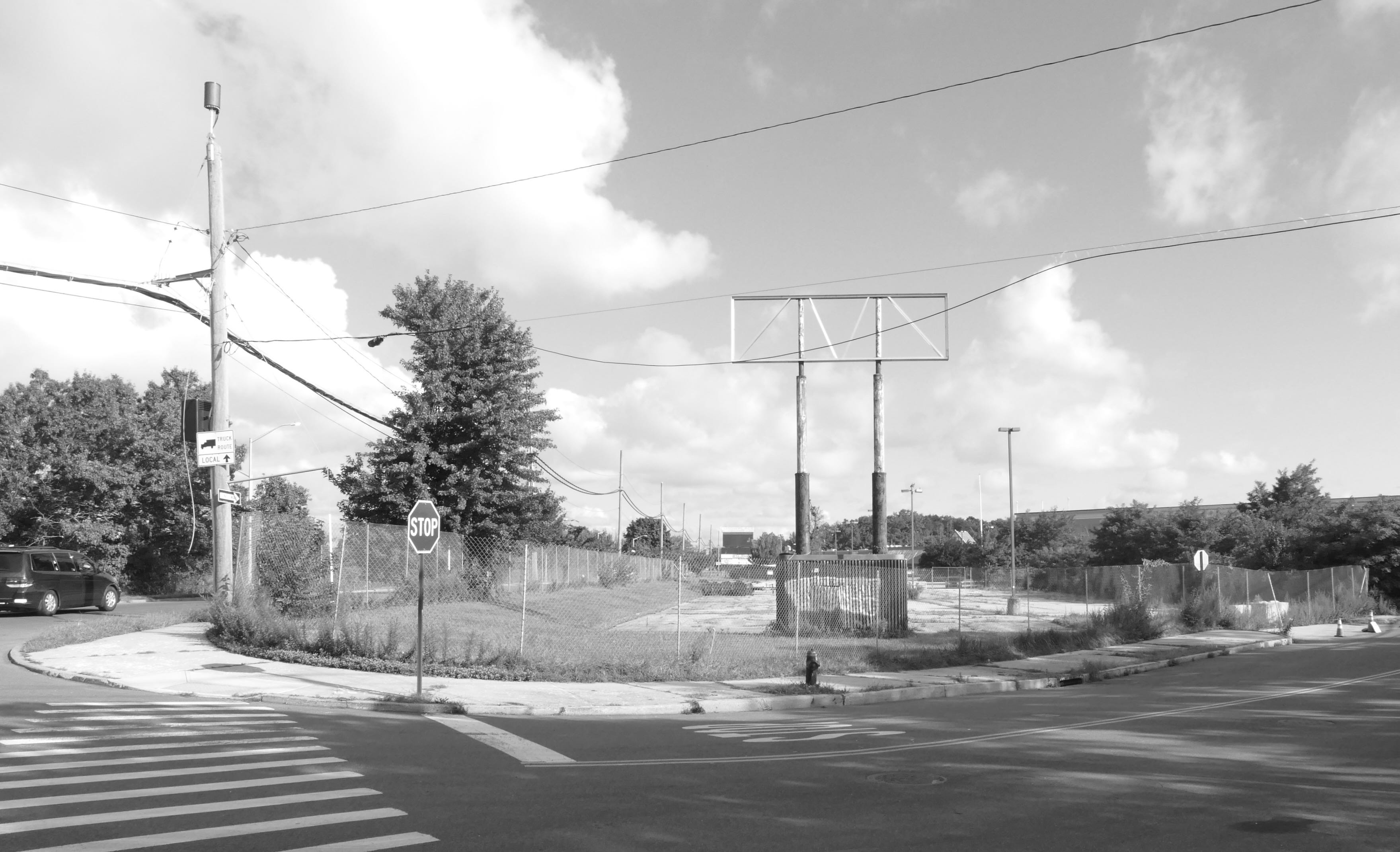
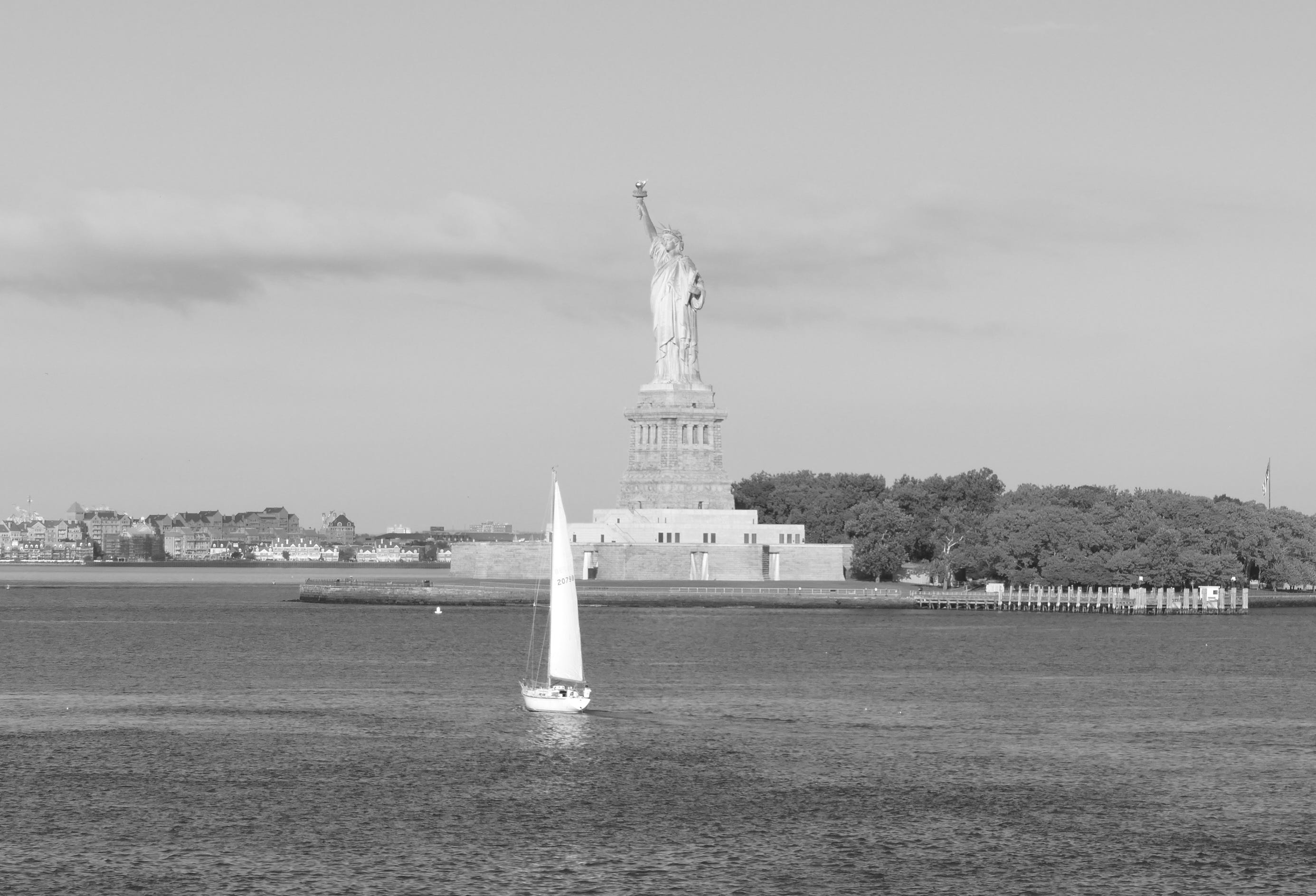
The entrance to what may be the most beautiful wild corner of New York City is tucked away at the end of a highway frontage road on the west side of Staten Island, behind an abandoned shopping mall formerly occupied by a billiard hall, an L.A. Fitness, Tutto L’Italiano, and a place called The Looney Bin whose invitation to “Eat Drink Laugh” is still visible to folks passing by on Route 440. On the opposite corner is a realtor-sized temporary sign marking the park entrance with a big arrow, competing not so successfully with a taller sign next to it warning drivers not to enter. There’s another, more architectural sign you might notice as you walk up after the taxi drives away—a pillar with the placename and the NYC Parks maple leaf cut into Corten steel—but you would likely be distracted by the lush native foliage growing around it. At least if you visited on a morning like I did, the last Sunday of summer, with such beautiful crisp, sunny weather that on the ferry out the Statue of Liberty looked so luminescent you could almost believe the things it stood for are real.
I first learned about Freshkills close to a decade ago, when someone forwarded me a call for applications for a writer in residence opportunity and I learned how they had taken the sprawling site of the municipal landfill to which all the trash of New York City was dispatched in barges for the second half of the twentieth century and begun to transform it into a rewilded park, with a visionary plan aided by the landscape architects and planners at Field Operations (who also designed the High Line and Presidio Tunnel Tops). It had long been on my bucket list, and one of the unlikely wild NYC sites I had proposed to visit while researching my new book. It was only as I was preparing for my Labor Day weekend trip that I learned it was also the place where they buried the rubble left after 9/11, and it was only as I walked around the Financial District the night before I headed out there that I realized I was doing so a few days before the 25th anniversary of that event.
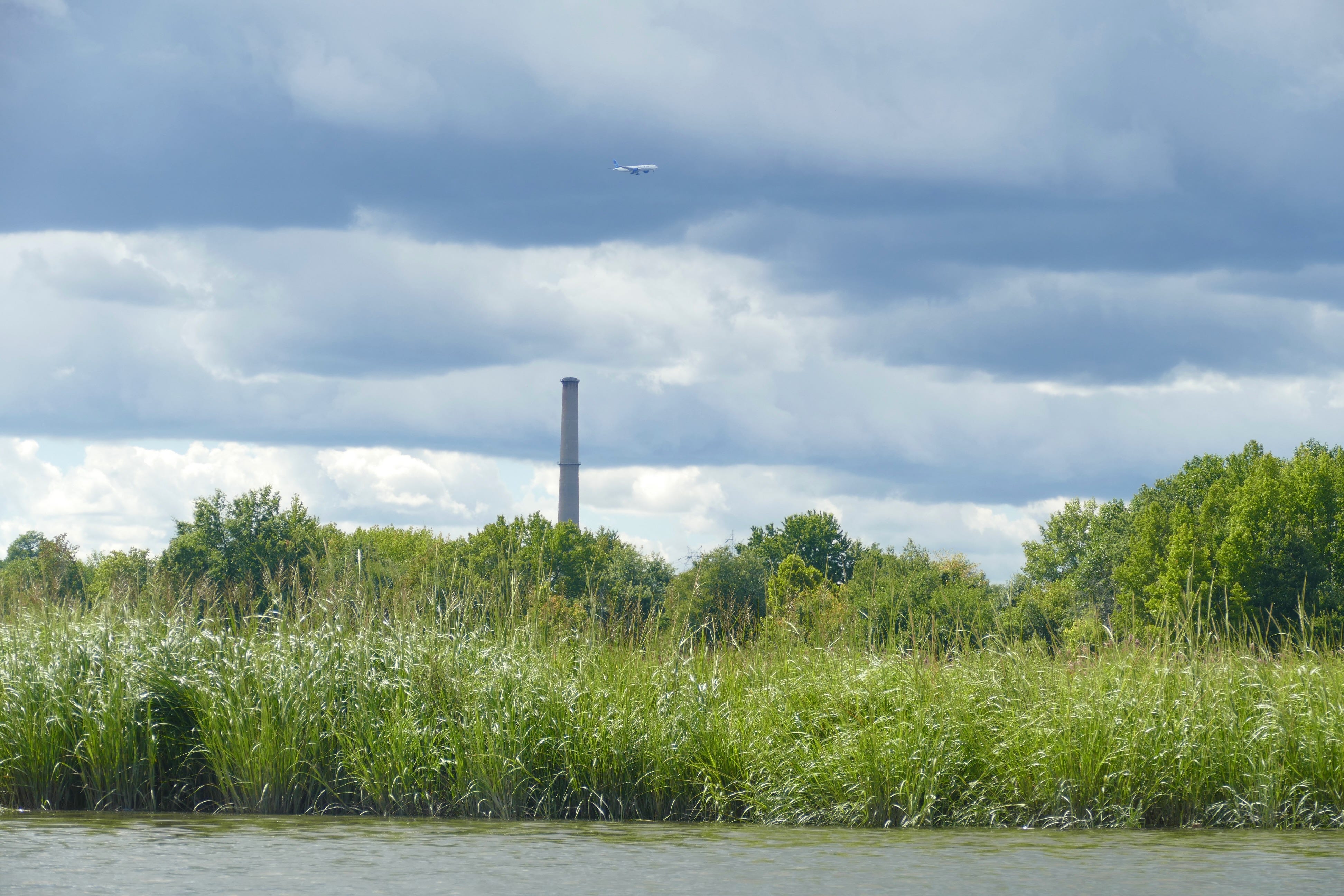
The Lenape names we know of for the place we call Staten Island designated it as “the bad woods.” Just why they called it that seems to be less known, and I didn’t see a lot of woods of any sort on my trip out there, other than the interstitial kind. Freshkills is more like a prairie. A recreation or simulation of a biodiverse natural landscape, cultivated with great care and brilliant design sensibility on top of mounds made from the solid waste generated by all five boroughs from 1948 to 2001—what was the largest landfill in the world in its day. Twenty-five years in, on a nice day at summer’s end, the success of the restoration was evident.
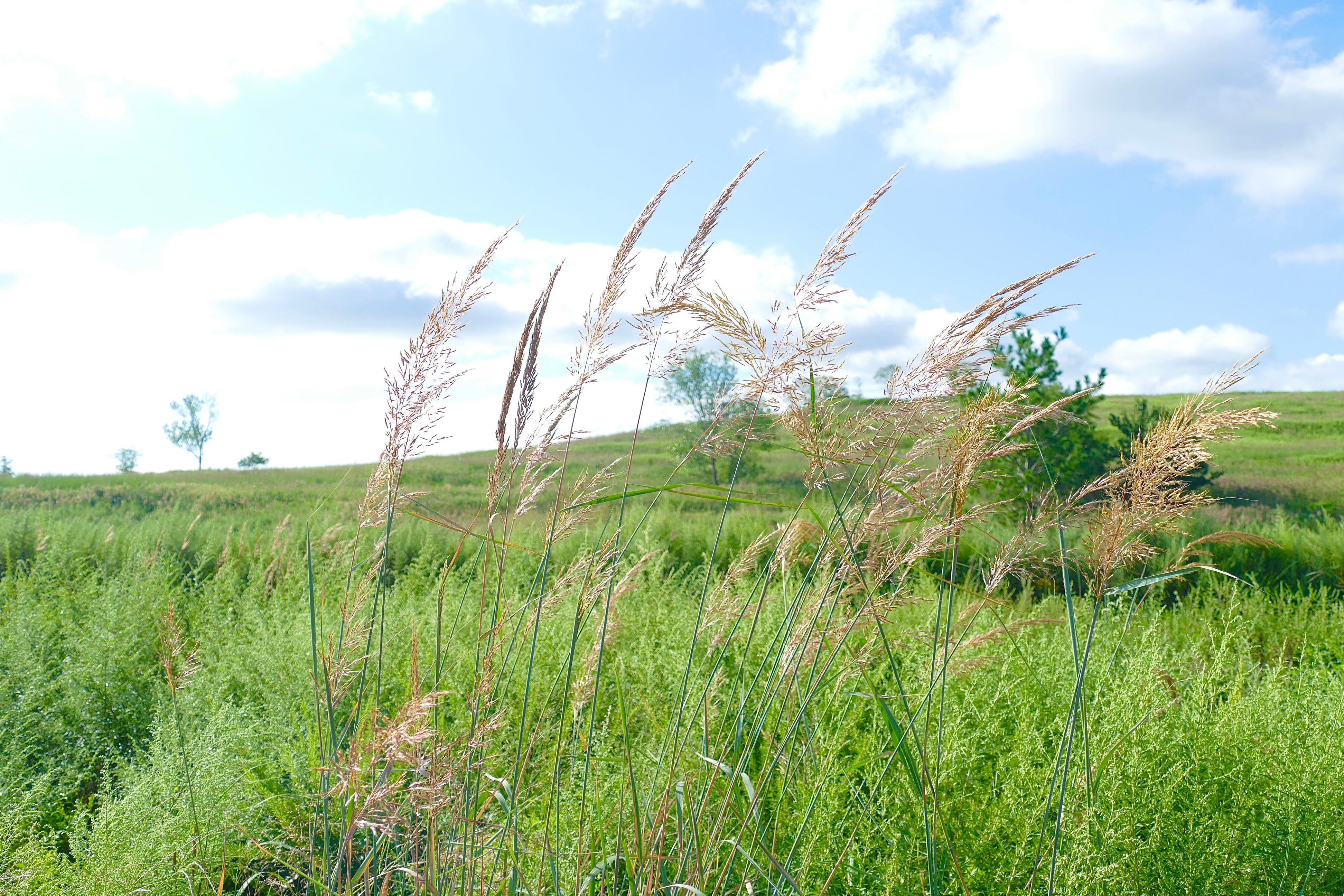
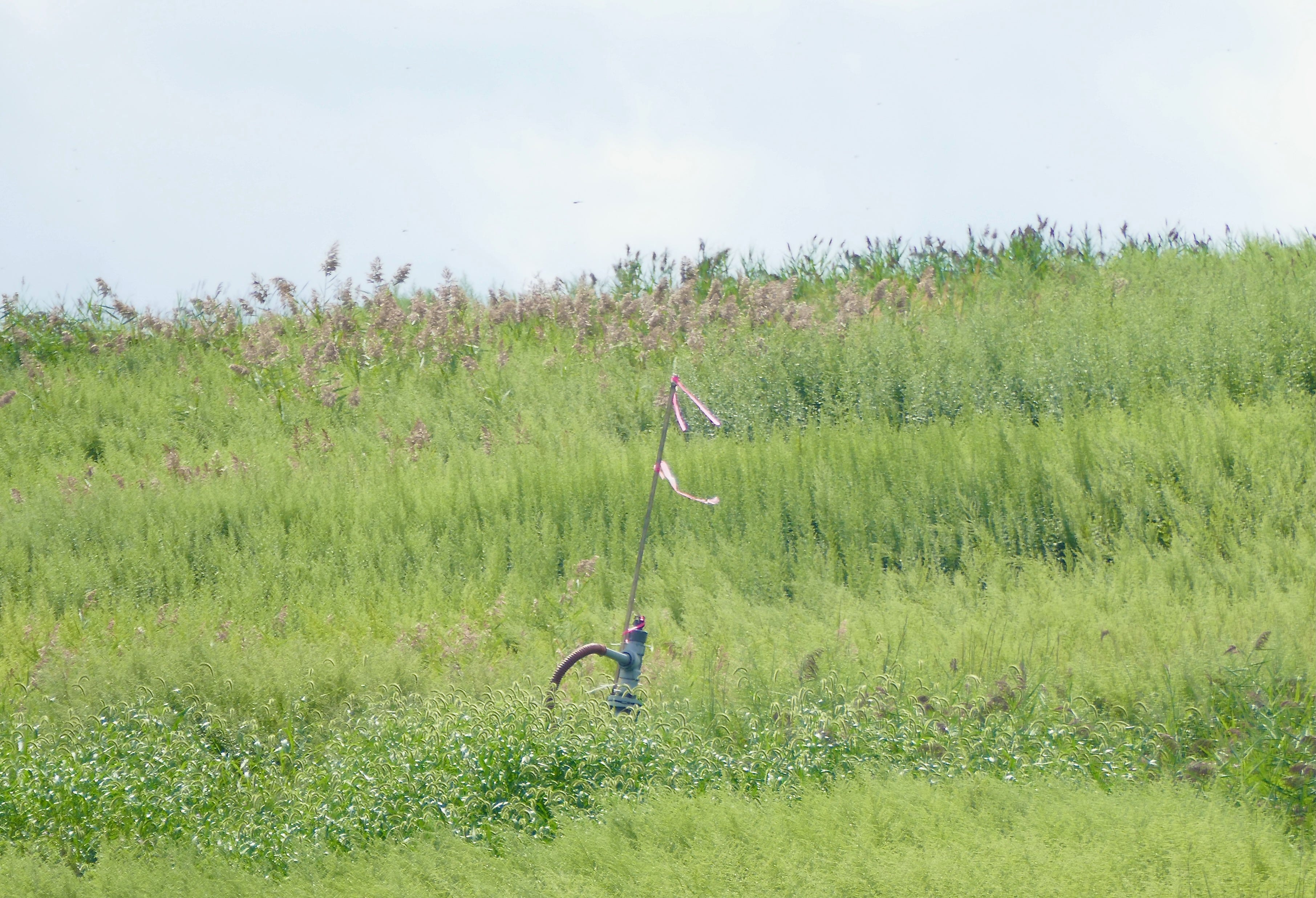
When I walked the gravel path past the quiet little parking lot, up along the base of the North Mound toward the water, the transition from pavement to prairie was dramatic. You could hear it, in the beautiful cacophony of insects and birds that suddenly surrounded, and see it in the native grasses and goldenrod peaking out for fall, there at the edge of a 2,200-acre island in the middle of ultimate urbanity. A pretty hard place to get to for a human, but perhaps an easy one to get to on feathered wings. I wondered if the birds took notice of the pink-flagged pipes you could see sticking up periodically around the site, presumably venting the Anthropocene hellscape cooking down beneath the beauty.
I came with the intent to get in the water and paddle around, and was outfitted for that mission, dressed like a guy on a camping trip and carrying a big blue duffel pack in which were my packraft, paddle, PFD and other gear. I had reached out to the amazing park staff beforehand, and confirmed paddling was permitted—that the kills themselves, the coastal estuaries the barges once used to haul the waste to the landfill I was now standing atop, are navigable waterways, and if you can find a place to put in you are free to travel them wherever they take you. It was my foolish Texan assumption, based on a look at the satellite map, that one would be able to put in about anywhere. Only when I got to the park and walked down that trail to the beautiful birdwatching tower did I realize that one path is the only one open to the public, especially on a three-day weekend, and it stops well short of the water, the space between which was dense prairie and marsh clearly designed to remain protected from human trampling.
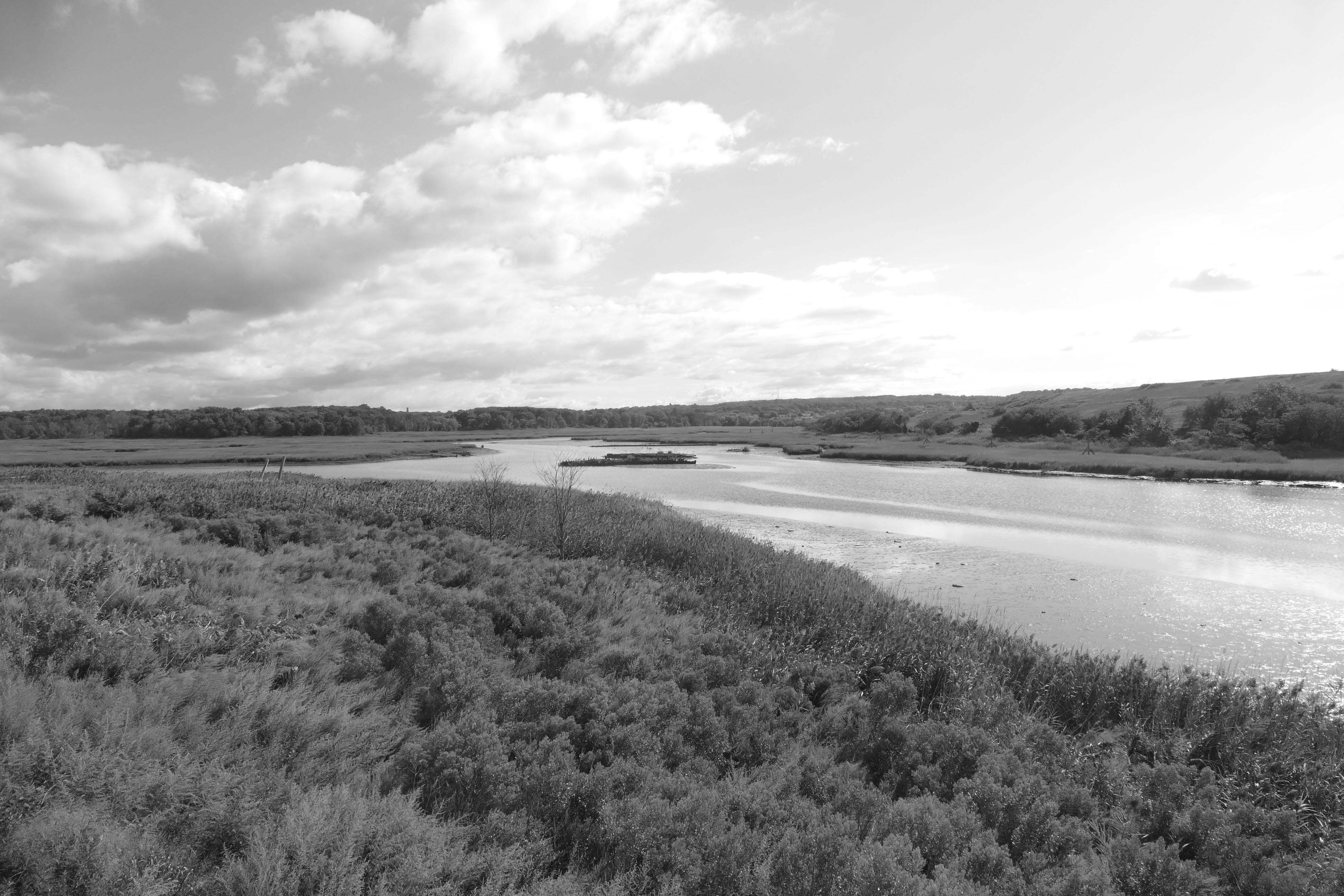
There was plenty of evidence of other mammals going off the path, and on it—the scat of wild canids and raccoons, the carcass of a field mouse, signs of recent bodily movement through the tallgrass. When I got to the deck of the tower the water beckoned with its crisp blue traces through the sea of green, but I could see no way to get there—at least not without drawing the attention of the security guard I had seen at the entrance when I arrived, now parked right there at the base of the tower watching TV on his phone. To get in the water, I first needed to build my bright blue boat, which would take about ten minutes. I considered telling the guard I had permission to get in the water, but figured that would create all kinds of hassle. I noticed a recently and not entirely smoked joint someone had left behind, suggesting a different and less challenging way to enjoy the morning, but the dream of the float wouldn’t let go.
I looked at my phone, and convinced myself I could find my way to the water across the highway. So I set out on a hike, down the service road past the abandoned shopping center, over the highway, and back down the opposite side, all the way to a not yet abandoned gym, where I found a very secure Department of Sanitation gate and tall fence at the spot I had thought I would be able to walk right to the water. A reminder, as I wrote in Empty Lots, that the city is a machine designed to make you feel free when its real aim is to regulate you, with a labyrinth of enclosure that directs our movement with almost infinite layers of access control—especially when we try to do things that don’t involve making money, or spending it. Of course the planetary capital of such activities would be the most locked-down variant you could find.
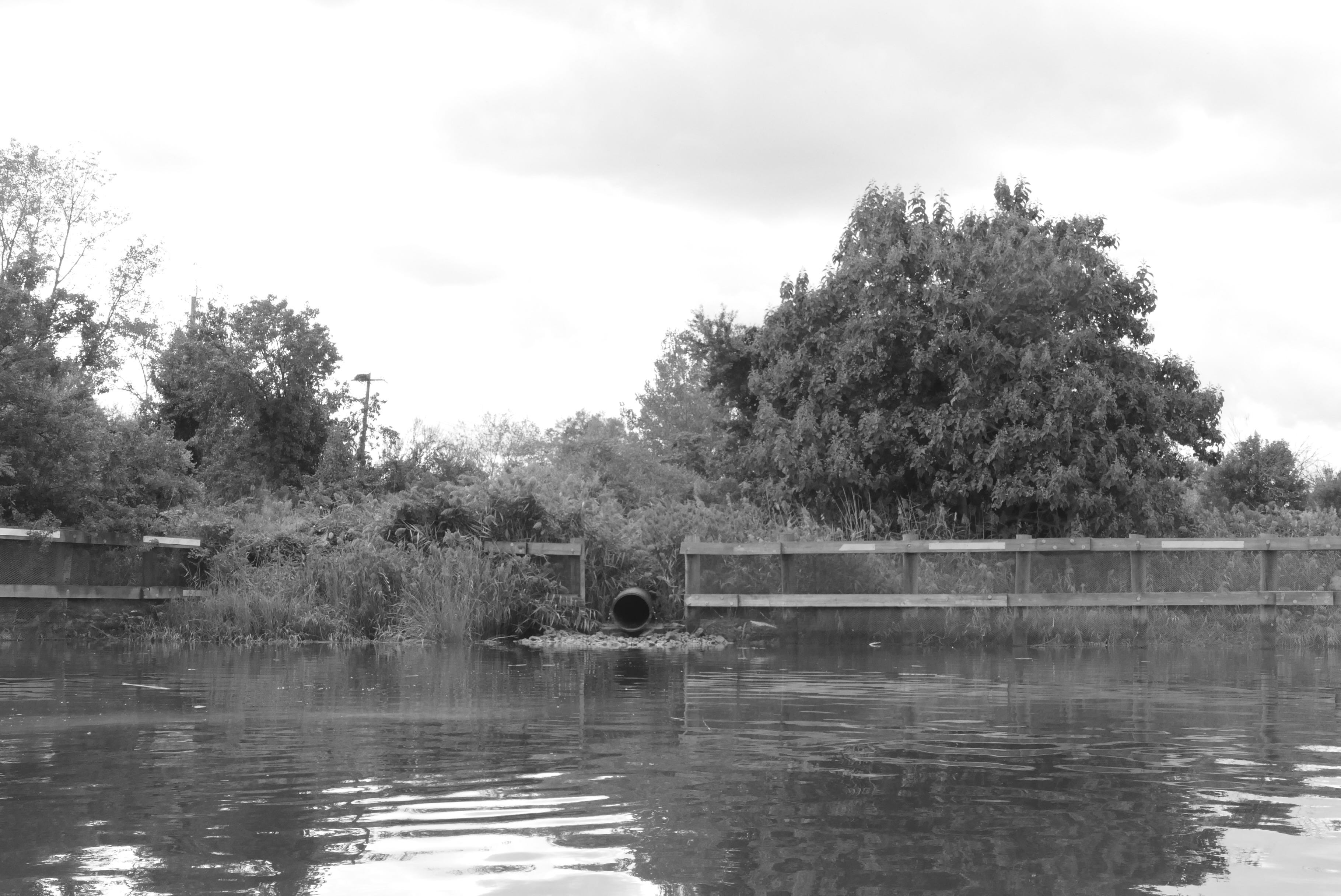
I spent more time with the map. There were public boat launches, but miles away where it would eat up too much of my paddling time to get back down there. I had tagged a bunch of spots beforehand, and settled on a local park adjacent to Freshkills that appeared to have a ramp. I got there a half-hour later, and found the ramp right there on a little side channel that was flush with herons. But the ramp was fenced off, and the guards were on patrol. Adding to the sense of being stymied, creepy public health warning signs poked up out of the prairie, and when I crossed a seep that saturated one section of the path, the water had the telltale petrolescent swirls of the worst pollutants. I was starting to feel the fail.
I walked back to the main road, refilled my water at a gas station, and headed to another park on the opposite side of the water from where I was. The map indicated there was a path to the water there, near an airfield for radio-controlled model planes, of all things. Getting there took another half-hour, walking among a few other weirdos down toward the Costco. The path to the water was dense with foliage, and there were more park workers about. I found the model airfield, which was cool, but working on a bit of its own rewilding. A house cat sleeping under the camo-painted shipping container opened one eyelid to size me up as nothing dangerous enough to open the other eye for. The ragged windsock pointed me back toward Manhattan. I decided to head back to the gate I had noticed walking across the bridge.
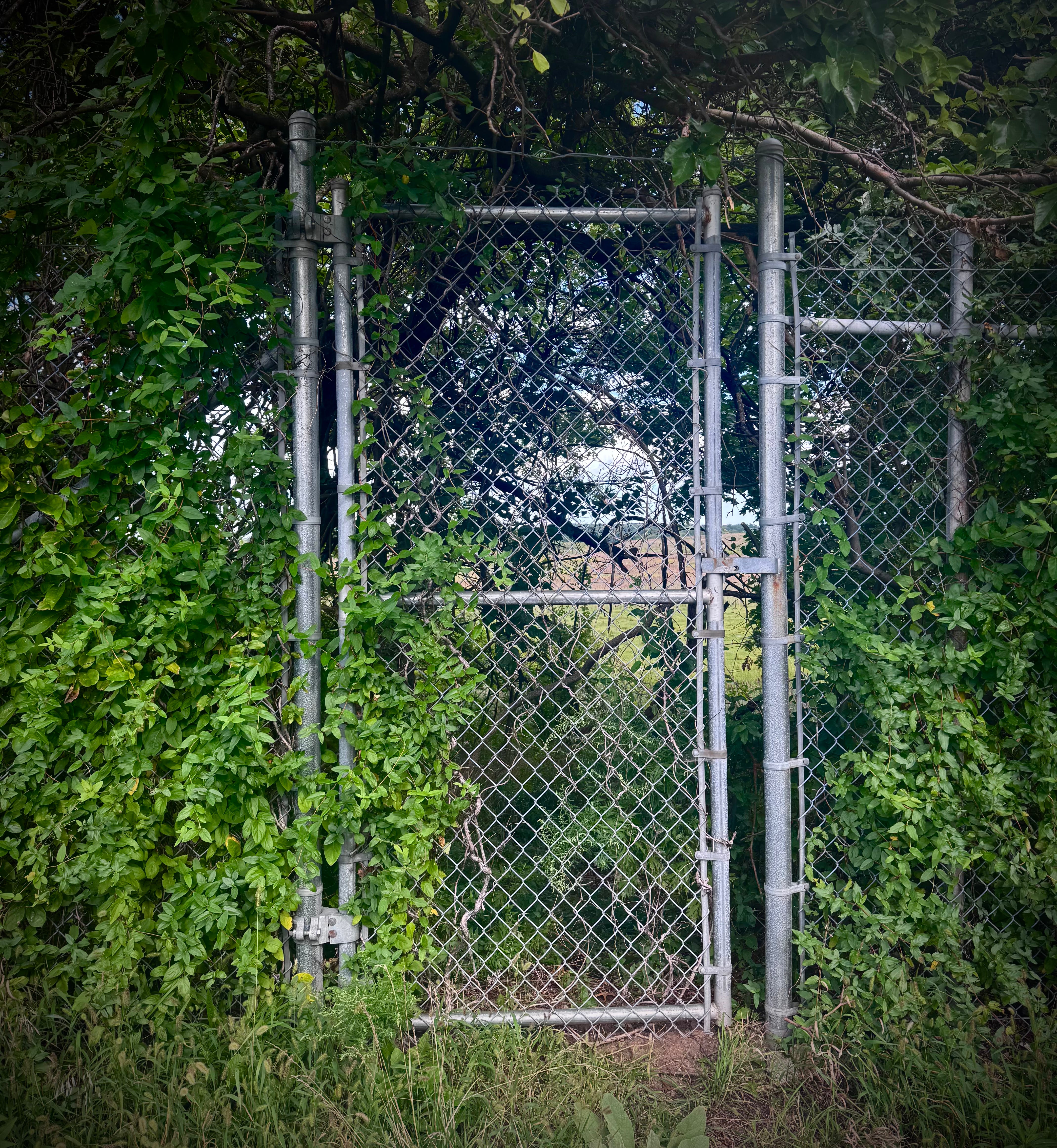
It was a door-sized portal in the chainlink, at the corner of the second park I had tried to put in from. It had no lock, and no sign other than the official park sign hanging from the fence some feet away. On the other side was dense foliage, and maybe thirty feet beyond it, the water I was trying to get to. I wondered if it was an outlaw camp site, but saw no signs. Maybe it was the bad woods the Lenape warned about. I went in anyway.
I quickly realized I was stumbling through what looked to me some northeastern variant of poison ivy, as I clumsily bushwhacked through the low woody branches, but I was beyond worrying about the rash that might show up long after I got back. I found a little rocky landing there right at the base of the bridge pier. It was full of trash, including a baseball and the remains of a kid’s bike. But it looked safe, so I built my boat, and ten minutes later was in the water.
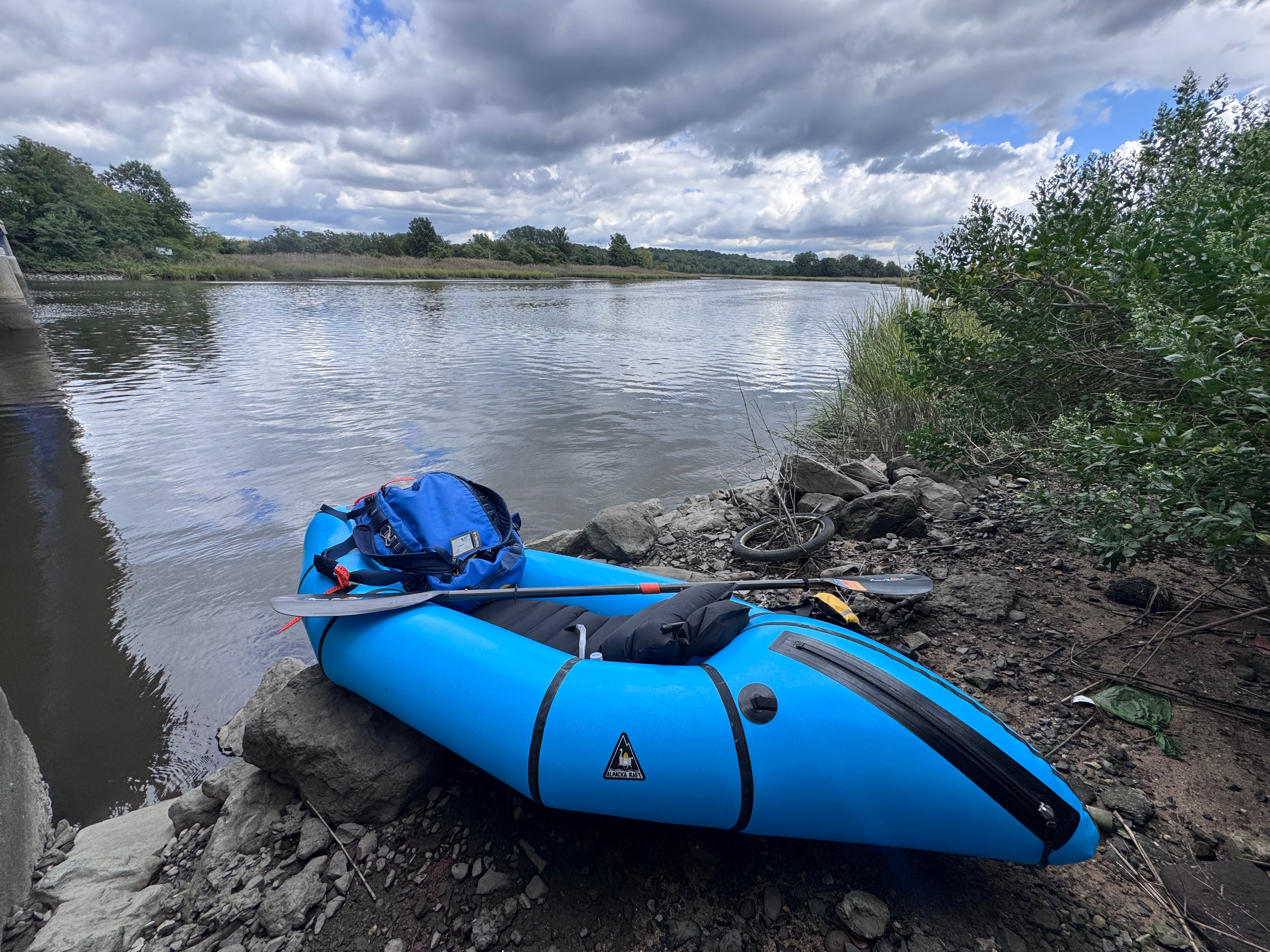
My phone was well below 50% charge, and I needed to be able to hail a ride back, so I turned it off completely to save juice. I had printed out some maps before the trip, but of course left them in the hotel. So I would see if I could find my way back to the birdwatching tower and the wildlife refuge beyond it from a mix of memory and old school orienteering.
It felt good to get on the water. Safe, and free. Packrafts are weird little craft, almost like trying to paddle a bathtub. They don’t track well, provide little visibility into the water around you, and tend to get a lot wetter than a canoe. You can read the currents ahead all right, and as long as you’re paddling you can maintain good control. And you feel connected to the marine environment in a different way. It was half way to high tide and rising when I got in, which was good.
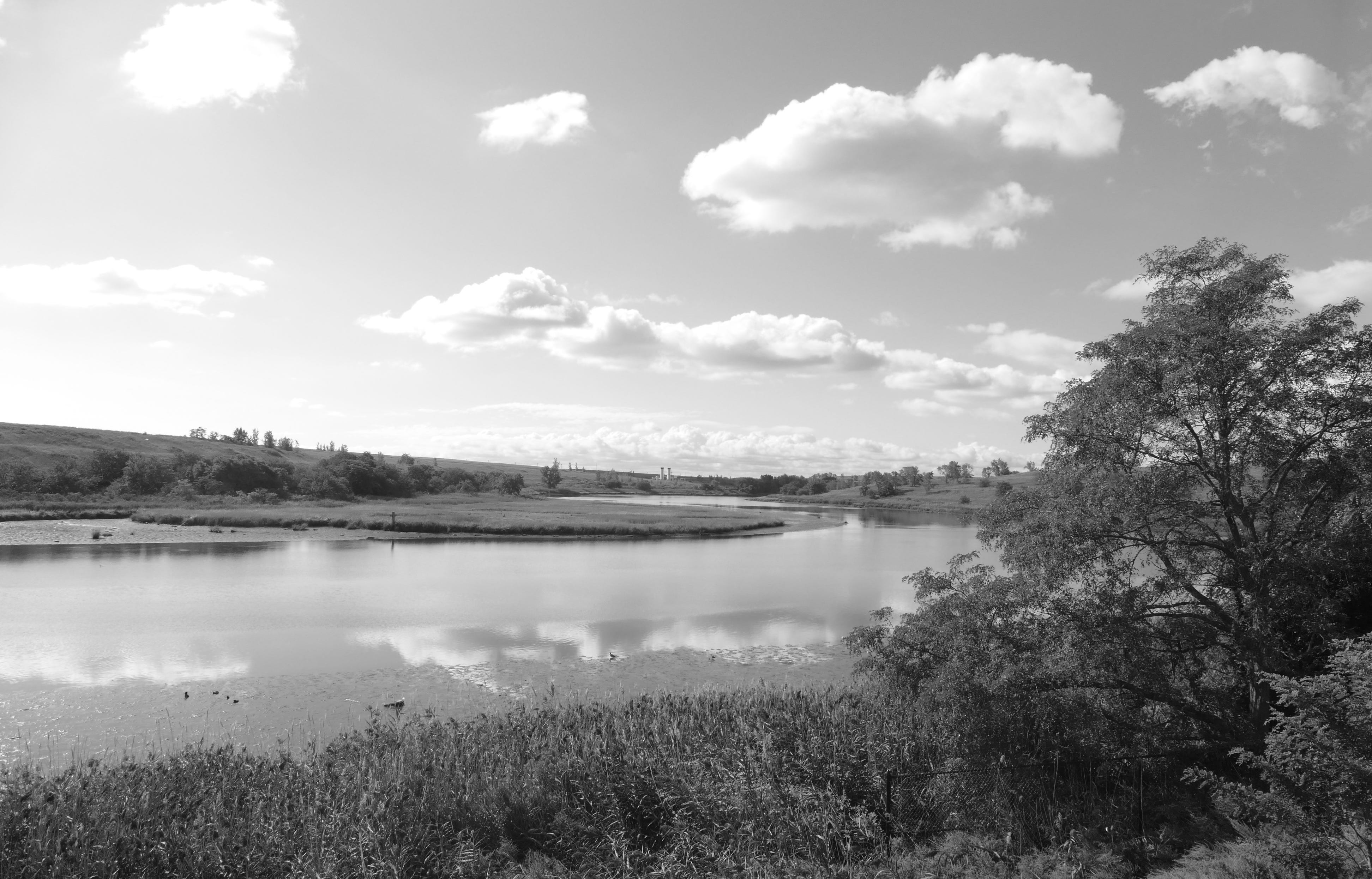
I paddled under the bridge, in the direction of the West Mound where they deposited the 9/11 debris, and the Isle of Meadows beyond. It’s a weird topography, whenever you’re around hills made by humans, especially the kind that are really tombs. There are a lot of them where I grew up in Iowa, burial mounds of cultures that were long gone by the 15th century. The burial mounds of Freshkills are more beautiful, and a lot bigger—New York City big—covered in really beautiful architect-designed prairies getting their Andrew Wyeth on and forcing the smokestacks and other industrial infrastructure into the background, where they take on the totemic quality of distant monuments. I wonder if Robert Moses thought about the mythic aspects when he picked this site for the new city dump, a place where the used-up vessels of our lives would be sent across the river in slow-floating barges to become the underworld.
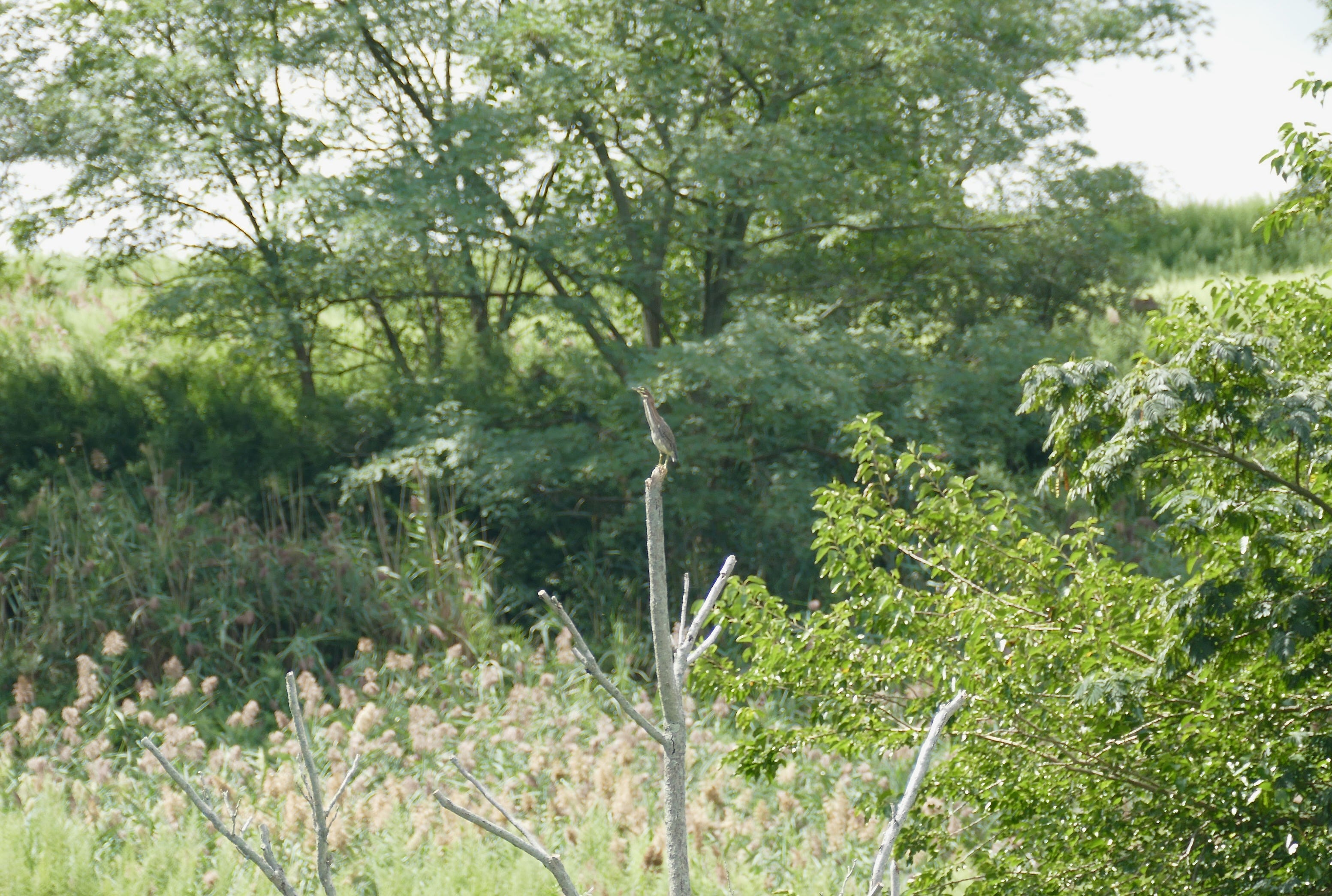
As I floated my own little boat in that first mile, I mostly wondered about the water cleanliness. It was hard to read, and when I saw the outflow pipes draining out from under the mounds I worried, but it seemed safe enough. When I saw my first cool bird—a scrawny green heron—I took it as an indicator the marine life was healthy enough not to worry about the water I was getting soaked in as I paddled.
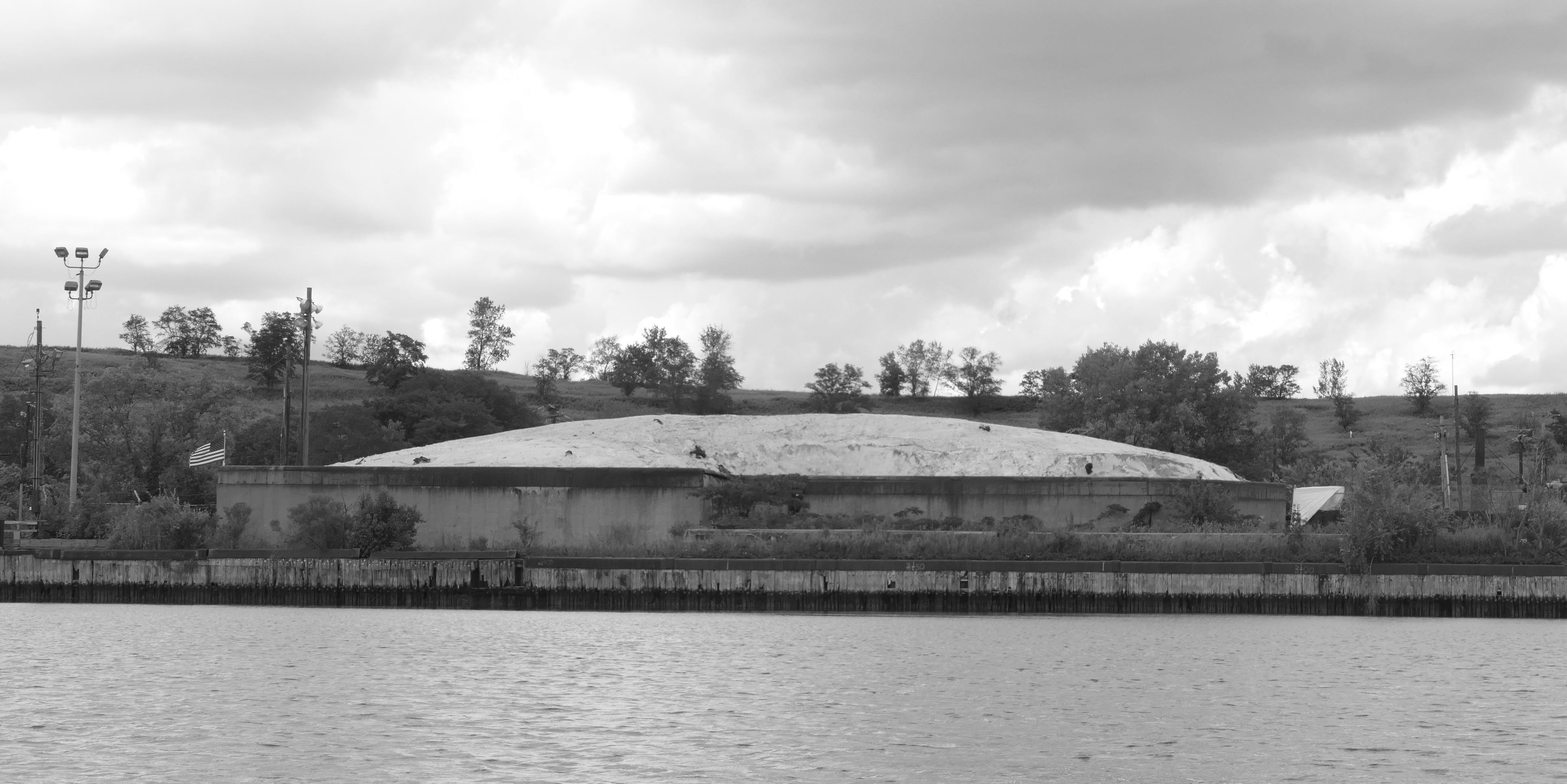
I was a little alarmed when I got to the next bridge, and saw all the barriers that had been erected beneath it, as if to keep boaters from going into the channel I had just come down. A huge number of gulls and cormorants were lined up on the tops of the structures, turning curiously as I approached through the gap. Beyond the birds, you could see evidence of more intense and active industrial activity. The fortification of the shoreline indicated this was where the barges would bring their loads. On the left was the most recently active mound; on the right was the North Mound where I had walked in the morning. There was a big dumpster there full of some chalky ash, and I wondered what it was the remains of.
I paddled past there a ways, communing with the ruins, then cut back up the other channel to find my way into the preserve. I saw the place where the staff kept their kayaks for official group outings, which was one of the spots I had tagged as a potentially good put-in before I learned it was all gated off. A little further up, I saw an osprey nest atop an old telephone pole, and knew I was in the right spot. The farther I got, the more birds I saw. The first kingfisher of the day, more herons and egrets, songbirds whose songs I did not know, and more butterflies too, some sitting on top of the water like tied flies. As I approached I saw some folks up there on the birdwatching tower, but they were gone by the time I paddled past. The remains of some old wooden structure stood in the water, reclaimed by cormorants and ducks.
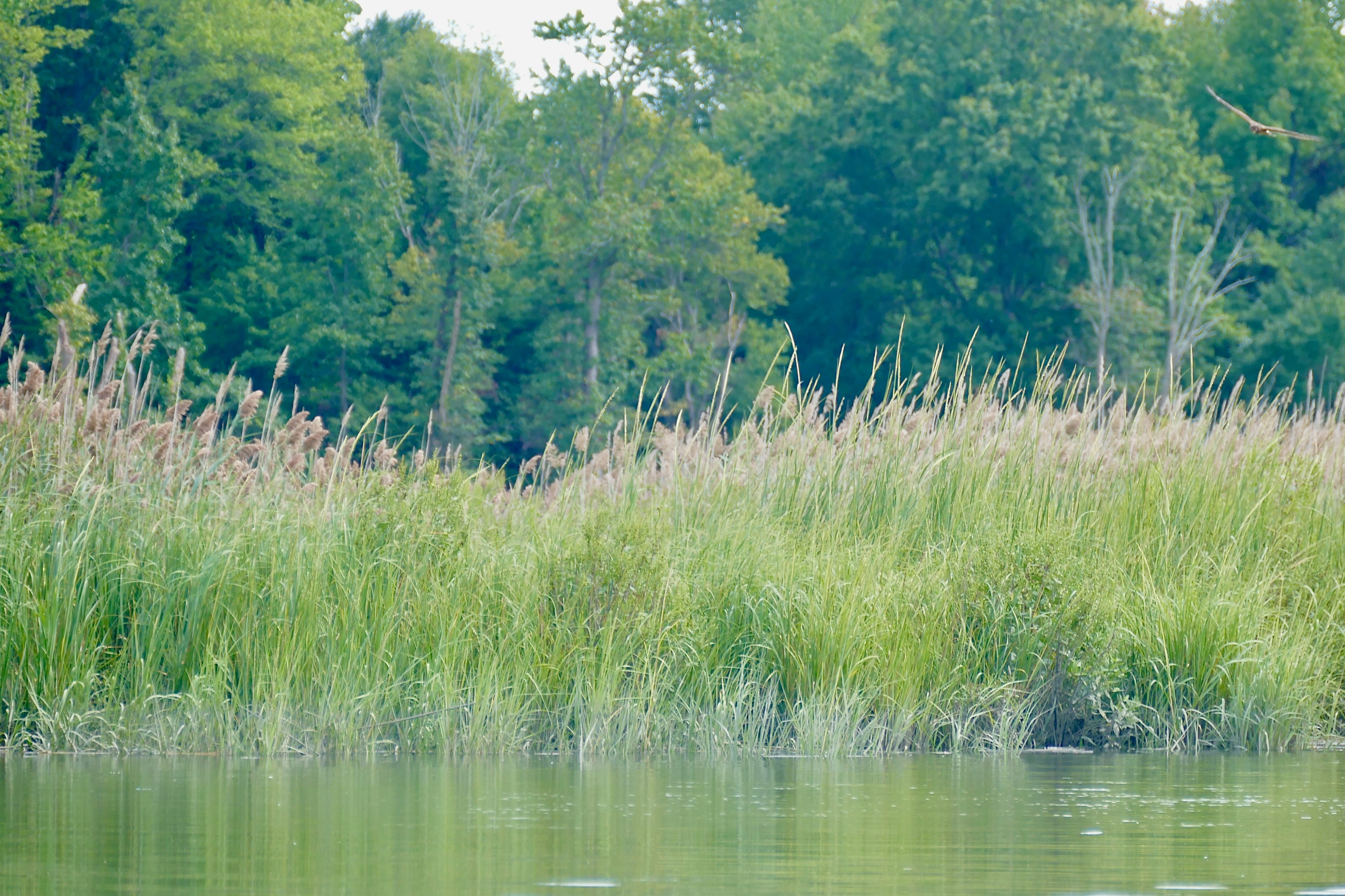
The channel fractured from there, branching and narrowing into a network of marshy meanders. I followed the widest channel as far as it would let me go, to a spot where a road cut through and I’d have to portage to continue. I rested there, taking a few bites of the turkey sandwich I had bought in the Austin airport the day before. When I wrapped it back up and put it away, an unfamiliar raptor appeared, cutting and banking over the marsh. Medium brown with a distinct patch of white on its tail that marked it as a Northern Harrier, a species I hadn’t seen before. A beautiful flyer. I watched it for a long while, thinking about the tiny scale of the little pocket of habitat it was hunting relative to the Sprawl that surrounds it.
The tide was all the way up now. I paddled deeper into the marsh, initially by accident. After about twenty minutes the clouds and air started acting a little more cranky, so I decided to work my way back. The return paddle was harder, with a strong headwind for stretches, and when I got to the takeout my landing was gone, submerged under the tide. To get out I had to tromp through calf-deep water full of trash, including some of the objects I’d seen when I put in, dragging my half-deflated boat under my arm. I gathered myself on the sidewalk beyond the gate, muddy, sweaty, and wet, with my mess of weird gear spread out before me like the crazy guy I kind of was. As I folded up the boat to stow it, a goth mom walked by with her two kids, teaching them how to avoid making eye contact with such a man.
Before heading back to the ferry, I walked back down to the Walgreen’s I’d seen to pick up some poison ivy scrub. When I checked out, I asked if there was a restroom. The clerk gave me a quick sizing up and explained that there was, but not for me.
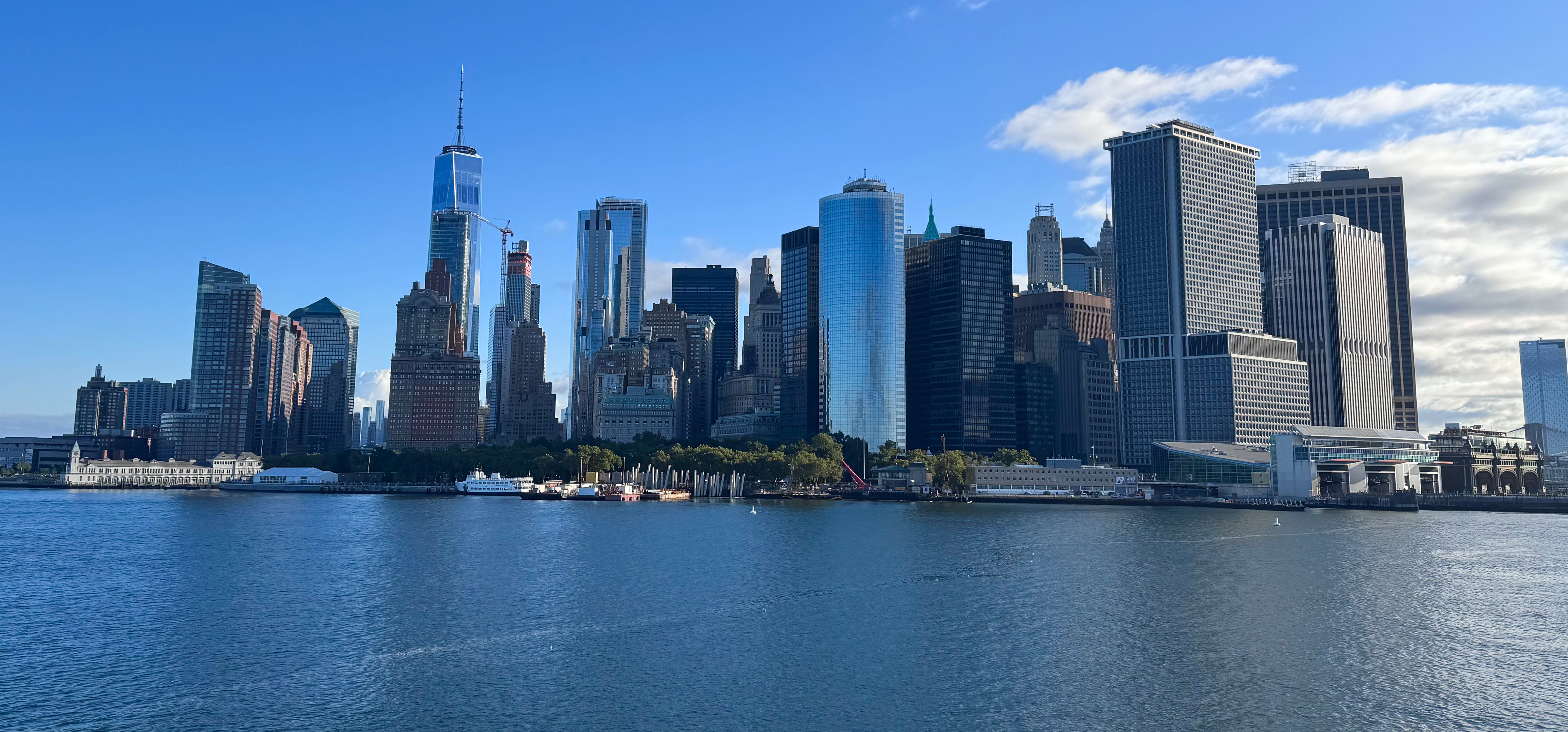
After dinner that evening, cleaned up and properly attired, I walked down to Ground Zero. The last time I had been there was January 2002, when I attended the first ever conference on legal issues in virtual worlds hosted by Yale Law School and New York Law School. The conference hotel was the Millennium Hilton, a high-rise that had just opened right before the attacks, and my room looked out on the ruins, which in my memory were still smoldering. It was bitterly cold, too cold for snow.
I remember reading the paper in those days and months after 9/11, in what was still ‘90s Austin, a world without smartphones, when I would grab a coffee and a pastry at Little City on Guadalupe on my way to work. The images from Afghanistan had an intense energy to them, pictures you couldn’t believe any photographer was allowed to capture, of special operators gone underground with big beards and their own gear, like guys from a Patagonia catalog carrying assault rifles, sometimes on horseback. Real footage mixed with the speculative, emergent urban legends, like the cutaway news graphics of a secret mountain hideaway that looked like the lair of a supervillain. That sense of a just cause lasted a couple of months, until the big run-up to Tora Bora, when the cowboys failed to get the bad guy. It wasn’t until a few years later, after Iraq, Abu Ghraib, the torture memos, and the way all those things seeped into the collective consciousness, that you got the sense of just how completely the archetypal American narrative had been broken by that cinematically apocalyptic event, and the tribal response it provoked.
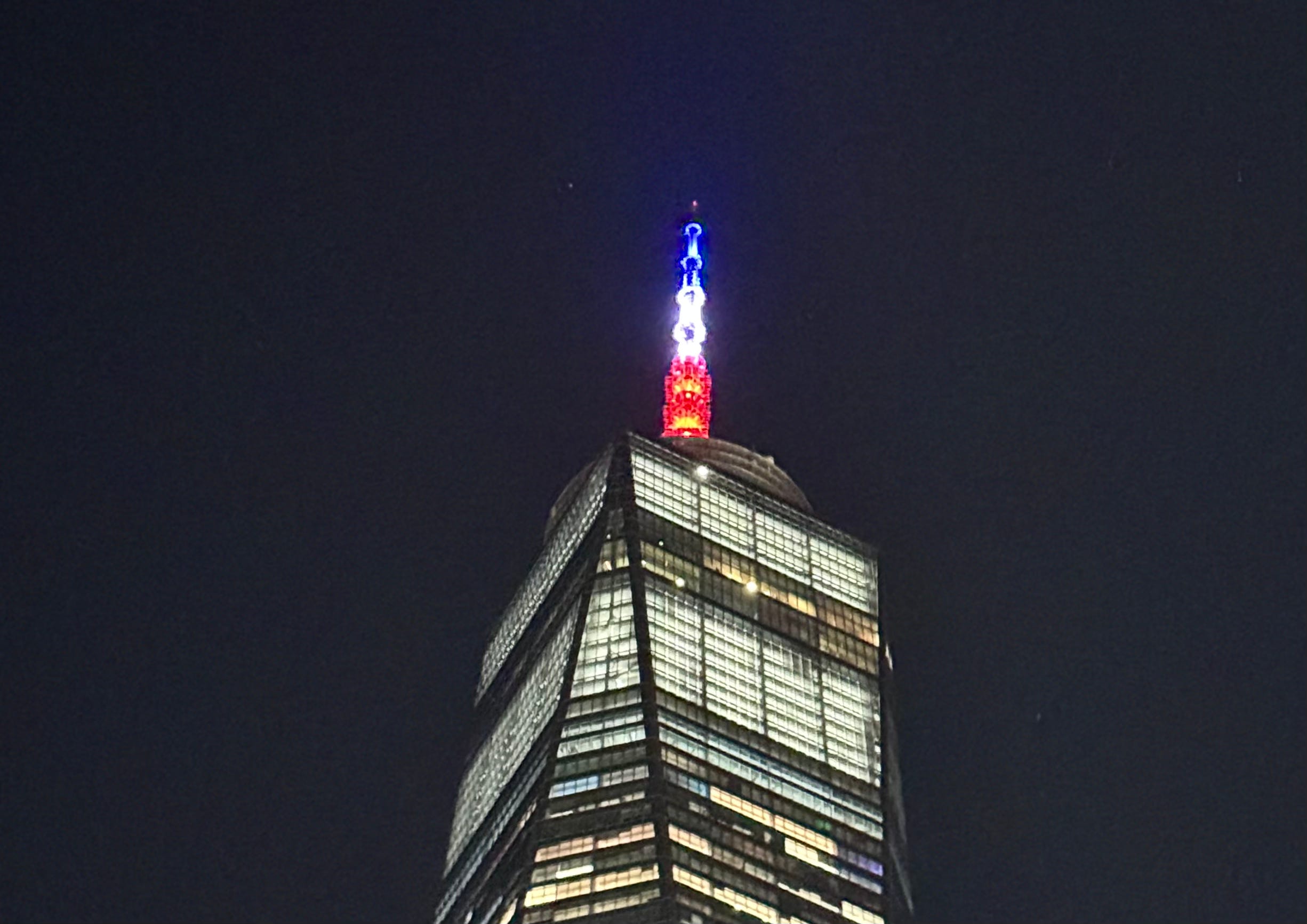
I found the hotel I had stayed in that winter after. It’s not a Hilton anymore. The holes have been half-healed as an elegant memorial with a different kind of watery passage to the underworld. Of course they are also surrounded by a subterranean mall. The real memorial, I think, is out there at the mounds, where you can see the possibility that our proclivity for burying the evidence of the things we’ve done to this place can also be an opportunity to figure out how to start to heal it.
Further reading
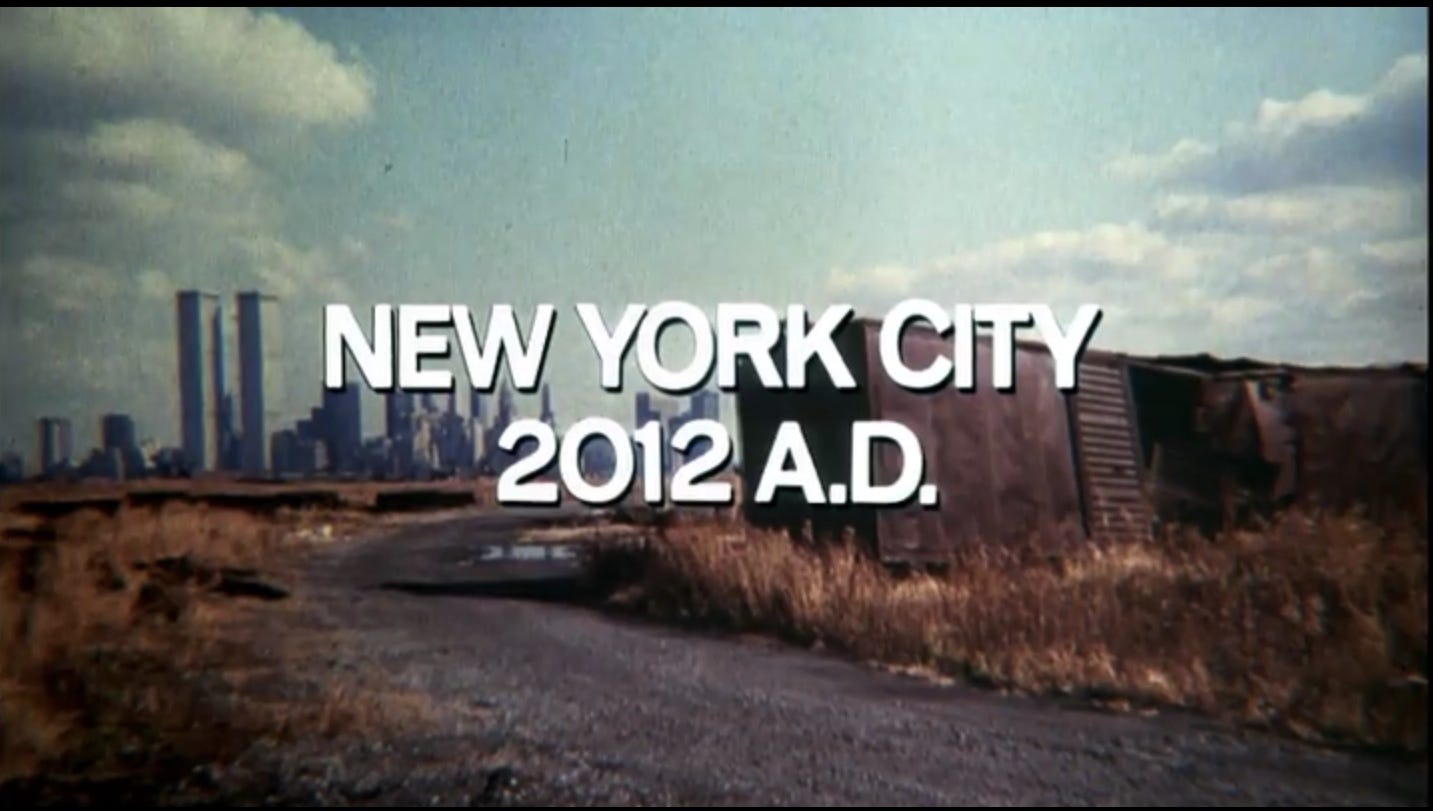
There’s tons of great stuff out there about Freshkills, and I probably have only scratched the surface in my own research. You can start at the official site, which includes a great overview of the park plan and the vision for what’s to come. I also really dug this Met podcast hosted by Camille Dungy, which provides a remarkable audio record of the experience of a visit informed by the perspectives of visitors from diverse disciplines.
I also checked out a bunch of other wild NYC sites on my trip, from Newtown Creek in Brooklyn to the restored Bronx River and the wildlife refuges in Jamaica Bay around JFK Airport, and I will be writing more about those places. If you’re in the city and want to finds your own adventures, Ryan Mandelbaum and Chelsea Beck have a great guidebook to get you started: Wild NYC.
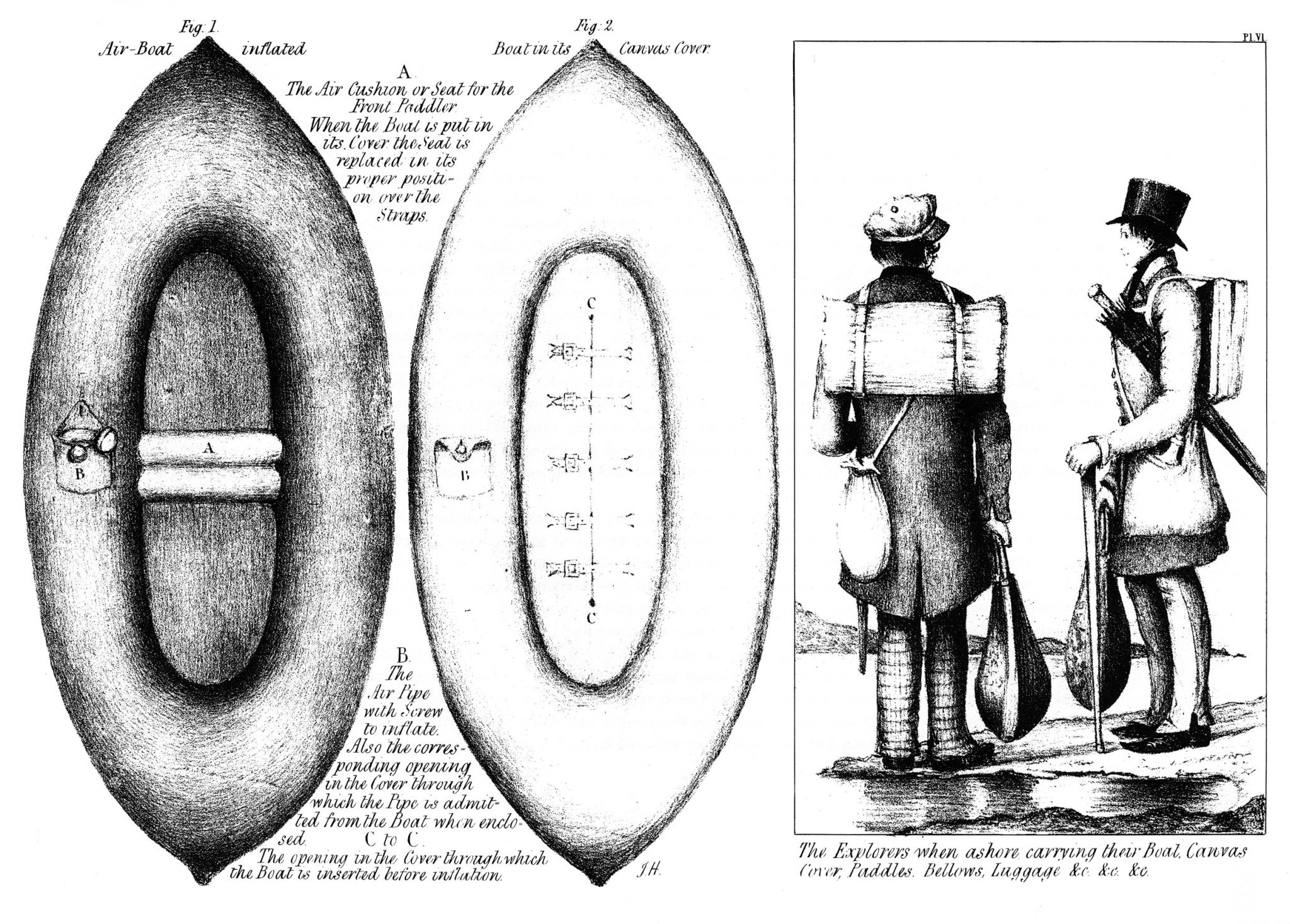
For more on what it’s like to packraft, and the deep history of the idea of a portable watercraft you can carry on your back—or wear as your coat—check out this excellent piece by Michael Engelhard, which includes some amazing images from the original brochures for the Halkett boat.
In (bad) biodiversity news, the administration has published a final rule reinterpreting the Endangered Species Act’s definition of what it means to “take” the life of a protected animal, essential requiring a standard of direct and willful intent while eliminating rules in place since 1975 providing liability for destruction of habitat that leads to a loss of life. Full Federal Register publication here.
In good biodiversity news, a new wild cat just dropped, and they are finding armadillos in Ohio.
RIP Annie Dillard. Of all the remembrances going around this week, I dug this video from a 1983 panel discussion she participated in at the University of Richmond with John Updike and Larry McMurtry, in which she masterfully takes on Updike with a contrarian nature writer’s take on how literature can be about things beyond the human self, rather than, as he had suggested, entirely preoccupied with it:
If you’re interested in my own effort to act on Annie Dillard’s suggestion, you can currently get a digital copy of A Natural History of Empty Lots for less than a cup of Sunday morning coffee, almost as cheap as the free flotsam texts one can sometimes find in an actual empty lot. But what you really want is a beautiful hardcover from your nearest indie shop.
Have a great week, and official greetings to fall.
Wild river explorers got nothing on you Chris, great article!
Another gem! I'm glad you persevered and stubbornly found a way to put in. I always say the only real adventure is a misadventure
As usual, I love all of the insight you dig up under the ground of your experience. The reminder that the City is designed to control your movements, and is essentially a kind of prison or enclosure, is so pertinent as it's something very few consider as they go about moving through the world as intended. I had to jump a few fences just this week!
Already looking forward to the next one